
Analysis · Not first-hand reporting
Right-to-Charge Laws: Your Guide to Installing Home EV Charging
By Scott Bradford · April 15, 2026
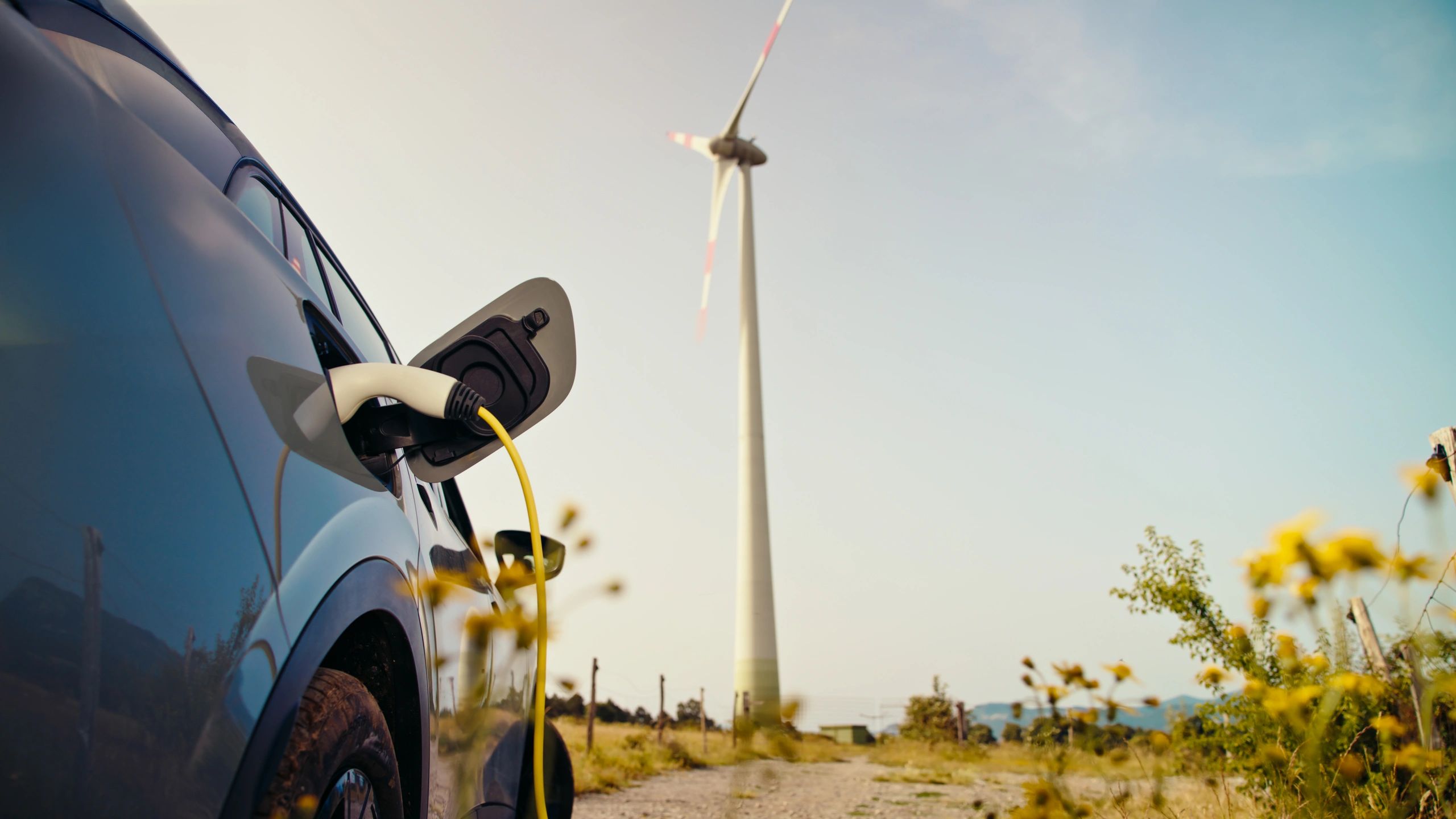
Right-to-Charge Laws: Your Guide to Installing Home EV Charging in HOAs, Condos, and Multifamily Housing
Right-to-charge laws (also known as EV charging access or right-to-install policies) are state statutes—and in some cases local ordinances—that protect residents living in condominiums, homeowners associations (HOAs), planned communities, cooperatives, and rental properties. These laws grant you the legal right to install a personal electric vehicle (EV) charging station in your assigned or exclusive-use parking space, and sometimes in common areas when necessary.
HOAs, condo boards, and landlords cannot outright prohibit the installation or impose unreasonable restrictions. You (the resident) are responsible for all costs, must hire licensed electricians, comply with local building and safety codes, obtain required permits, and maintain appropriate liability insurance. Many laws include a clear approval timeline—often 60 days—after which approval is automatically granted if the association does not respond. Only reasonable rules that do not significantly increase your costs or reduce charging efficiency are allowed.
These laws do not force HOAs or landlords to pay for or install shared chargers. They simply remove artificial barriers so that anyone who wants convenient home charging can install it at their own expense. The strongest laws explicitly protect both owners and renters and often pair with requirements for EV-ready infrastructure in new buildings.
Why Right-to-Charge Laws Are Essential for a Greener Future
Transportation is one of the biggest sources of greenhouse gas emissions in the U.S. EVs produce zero tailpipe emissions and, when charged on an increasingly renewable-powered grid, deliver far lower lifetime carbon emissions than gasoline vehicles. Home charging is the most convenient, cost-effective, and grid-friendly method—it typically occurs overnight during off-peak hours at lower electricity rates and helps balance the electrical system.
Millions of Americans (roughly 30–40% of households) live in multifamily housing where HOAs or landlords have historically blocked installations. Without these protections, many people are forced to rely on slower, more expensive public chargers or give up on EV ownership entirely. Right-to-charge laws make clean transportation accessible and equitable, improve urban air quality, reduce reliance on imported oil, and support broader climate goals without requiring massive new government spending.
By democratizing home charging, these policies accelerate EV adoption where it matters most—in dense urban and suburban areas—while delivering cleaner air and lower energy costs to more families.
States and Jurisdictions with Right-to-Charge Laws (as of 2026)
Most protections come from state laws, which apply statewide (including all cities and counties within the state). A few cities have additional local rules. Here is a clear summary with direct linksto the primary legal text where available. Note that details (such as exact approval timelines, insurance requirements, and whether renters are covered) vary by state.** States with Right-to-Charge Protections** (approximately 15 states + Washington, D.C.):
- California (pioneer law, 2012 for owners, expanded 2015 for renters): Civil Code § 4745 (common interest developments) and § 1947.6 (tenants).
Direct link to § 4745
Direct link to § 1947.6
Protects both owners and renters. - Colorado (2013): C.R.S. § 38-33.3-106.8 (owners) and § 38-12-601 (renters). Strong focus on air quality benefits. Searchable via leg.colorado.gov. Protects both owners and renters.
- Connecticut(2022): Protections for both owners and renters in common-interest communities.** Protects both owners and renters.**
- Florida (2018): Fla. Stat. § 718.113(8) – condominiums; requires separate metering. Direct link
- Hawaii: HRS § 196-7.5 – multi-family and townhouses; no placement fees for tenants. Direct link
- Illinois (2023, effective 2024): Electric Vehicle Charging Act (765 ILCS 1085). Covers owners and renters; includes EV-capable requirements for new/renovated buildings.
Direct link
Protects both owners and renters. - Maine, Maryland, Massachusetts, Michigan, New Jersey, New York, North Dakota, Oregon, Utah, Virginia, and Washington also have protections (primarily for owners, with some renter coverage in Oregon and Washington).
Example direct links:
Oregon: ORS 94.762 and ORS 100.627
Washington: RCW 64.90.513 - District of Columbia (2024, D.C. Law 25-262 / Act 25-625, effective 2025): Comprehensive protections for both owners and renters; 60-day approval timeline; no placement fees.
Direct link to the law
Protects both owners and renters.
Municipal Examples:
- Boston, Massachusetts (2018, home-rule petition – Acts 2018, Chapter 370): Direct link
- New York City(2021): EV-ready requirements in new buildings and tenant installation rights.** Important Note for Nevada Residents** (including those in Paradise and the Las Vegas area): Nevada does not currently have a comprehensive statewide right-to-charge law. Attempts such as SB 152 in 2025 did not pass. You can use the sample request language below and advocate with your state legislators for stronger protections modeled on leading states. Contact your representatives or local EV groups to help move this forward.
For the most current details on any state, cross-reference the official legislative websites linked above or the U.S. Department of Energy’s Alternative Fuels Data Center laws database.
How These Laws Came About
These policies began gaining traction in the 2010s as EV sales increased and advocates highlighted multifamily housing as a major barrier to wider adoption. California led the way, followed by other states motivated by clean air, climate goals, energy independence, and economic development. Legislators, often working with environmental, consumer, and EV advocacy organizations, utilities, and industry stakeholders, recognized that removing HOA and landlord barriers is a low-cost, high-impact way to make electrification fair for everyone.
Practical Guide: How to Get Your HOA, Condo Board, or Landlord to Approve Home EV Charging
This is the most actionable section on cevra.org—use it, share it, and refer others to this page.
- Determine if your state or city has a law — Use the links above to find the exact statute that applies to your property.
- Prepare your request — Gather:
- Proof of your assigned parking space.
- A written proposal from a licensed electrician (include charger model, location, and electrical requirements).
- Evidence that you will obtain all permits and carry liability insurance.
- Submit a formal written request— Send via certified mail or email with read receipt. Clearly cite the specific state law (include the statute number and a printed copy or link). Request approval within the statutory timeline (often 60 days).** Sample Request Letter** (copy and customize): “Dear [HOA/Condo Board/Landlord], I am writing to request approval to install a Level 2 EV charger in my assigned parking space [describe location]. Pursuant to [exact statute citation, e.g., California Civil Code § 4745], you may not prohibit or unreasonably restrict this installation. I will bear all costs, use a licensed electrician, obtain necessary permits, and maintain required insurance. Attached are the proposal, statute text, and supporting documents. Please respond in writing within [60] days. Thank you.”
- If denied or no response — Follow up in writing, citing the law and any automatic-approval provision. Many statutes allow you to recover attorney fees if you prevail in enforcement actions.
- Escalate if necessary— Contact your state attorney general’s consumer protection office, file in small claims court, or consult a local attorney familiar with HOA law. Document every communication.** Additional Tips**:
- Check for utility rebates or the federal residential EV charger tax credit (30% up to $1,000).
- Some associations are open to shared chargers—explore cooperative solutions where allowed.
- Pair this with EV-ready building codes in new construction for long-term progress.
Free Resources on cevra.org and Beyond:
- This article (bookmark and share the cevra.org link)
- U.S. Department of Energy EV resources: afdc.energy.gov
- Local EV owner groups (search “[your city] EV owners” on Facebook, Reddit, or Nextdoor)
Call to Action: Share This Resource and Drive Change
Right-to-charge laws level the playing field so that renters and condo/HOA residents can enjoy the same clean, convenient transportation options as single-family homeowners. By making home charging accessible, these policies help accelerate the transition to a zero-emission future, cut urban pollution, and make electrification equitable for all.
If your state lacks strong protections—like in Nevada—use this article when contacting legislators. Share the link to this cevra.org page widely in EV Facebook groups, Reddit communities (r/electricvehicles, r/PlugInCars), Nextdoor, and X. The more people know their rights and how to exercise them, the faster we remove barriers to a greener transportation system.
Published by CEVRA.org – Your resource for clean electric vehicle advocacy and practical guidance. Questions or want to add a state-specific section? Contact us.
Citations
- http://www.capitol.hawaii.gov/hrscurrent/Vol03_Ch0121-0200D/HRS0196/HRS_0196-0007_0005.htm
- http://www.flsenate.gov/Laws/Statutes/2019/0718.113
- https://afdc.energy.gov/fuels/electricity.html
- https://app.leg.wa.gov/RCW/default.aspx?cite=64.90.513
- https://code.dccouncil.gov/us/dc/council/laws/25-262
- https://ilga.gov/legislation/ILCS/ilcs3.asp?ActID=4407&ChapterID=62
- https://leg.colorado.gov/
- https://leginfo.legislature.ca.gov/faces/codes_displaySection.xhtml?sectionNum=1947.6.&lawCode=CIV
- https://leginfo.legislature.ca.gov/faces/codes_displaySection.xhtml?sectionNum=4745.&lawCode=CIV
- https://malegislature.gov/Laws/SessionLaws/Acts/2018/Chapter370