
Explainer · Not first-hand reporting
The Current State: Kids on E-Bikes in The United States
By Scott Bradford · July 30, 2023
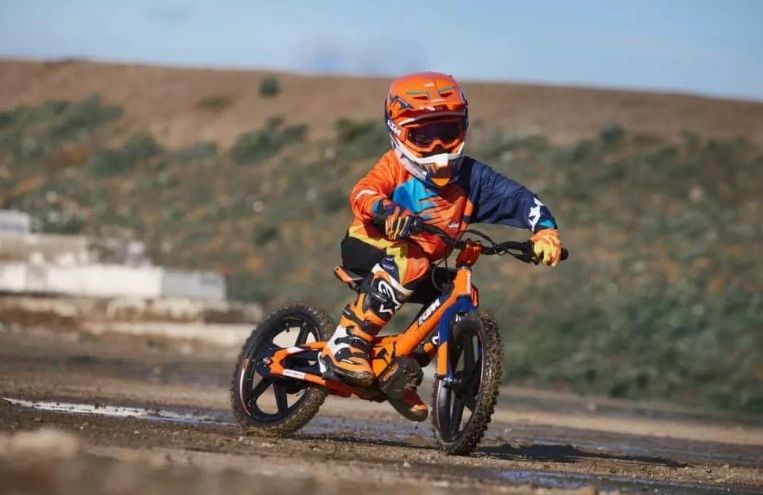
Children Riding Electric Bicycles in the United States
The popularity of electric bicycles (e-bikes) has been growing in the United States in recent years. These bikes offer a convenient and environmentally friendly way to get around, and they can be a great option for children as well.
However, the legality of children riding e-bikes varies from state to state. Some states have no laws specifically addressing e-bikes, while others have laws that restrict their use by children.
Current Laws
The following states have laws that specifically restrict the use of e-bikes by children:
- California: Children under 16 are not allowed to ride Class 3 e-bikes, which have a top speed of 28 mph.
- Colorado: Children under 16 cannot ride e-bikes on bike paths or trails.
- Florida: Children under 16 cannot ride e-bikes on public roads.
- Illinois: Children under 14 cannot ride e-bikes on public roads.
- Minnesota: Children under the age of 16 are not allowed to ride e-bikes on public roads unless they are accompanied by an adult.
Pending Laws
Several states are considering or have proposed laws that would restrict the use of e-bikes by children. These states include:
- Arizona: A bill has been introduced that would prohibit children under the age of 16 from riding e-bikes on public roads.
- Georgia: A bill has been introduced that would prohibit children under the age of 14 from riding e-bikes on public roads.
- New York: A bill has been introduced that would prohibit children under the age of 16 from riding e-bikes on public roads unless they are accompanied by an adult.
- Texas: A bill has been introduced that would prohibit children under the age of 16 from riding e-bikes on public roads.
Groups Supporting and Opposing Laws
Several groups support and oppose laws that restrict the use of e-bikes by children.
Those who support such laws argue that e-bikes can be dangerous for children, especially those not yet old enough to be responsible riders. They also argue that e-bikes can pose a safety hazard to other pedestrians and cyclists.
Those who oppose such laws argue that they are unnecessary and discriminatory. They argue that children can ride e-bikes safely and that laws restricting their use are unfair.
Conclusion
The legality of children riding e-bikes in the United States is a complex issue. There is no one-size-fits-all answer, and the laws vary from state to state. It is important to be aware of the laws in your state before allowing your child to ride an e-bike.
The tapestry of laws by state in the United States is a wonderful and frustrating thing, allowing both varied individual freedoms and diverse communities. For someone selling E-Bikes (or other Personal Electric vehicles) in the United States, the lack of consistent laws creates uncertainty that lessens funding opportunities by restricting the potential market size.
Obviously, some children will be more responsible than others. Should we restrict the freedoms of responsible children to protect the irresponsible ones from themselves? Outright bans are a draconian solution countering the development of our enlightened society.
Get updates or tell us what's happening where you ride: contact CEVRA.
Other Organizations Interested in Children on E-Bikes
- The League of American Bicyclists: https://www.bikeleague.org/
- The National Safety Council: https://www.nsc.org/
- The American Academy of Pediatrics: https://www.aap.org/
Here is a summary of some current e-bike laws by state
- Alabama, Alaska, Hawaii, Louisiana, Massachusetts, New Mexico, North Dakota, Wisconsin, and West Virginia: Require e-bike registration
- Maryland: Considers e-bikes the same as regular bicycles if the motors are no more powerful than 750 watts and can't go faster than 28 mph
- New Jersey: Classifies Class 3 e-bikes as motorized bicycles, which are not subject to the same rules of the road as traditional bikes
- Pennsylvania: Has a statewide speed limit of 20 mph for all e-bikes
- Ohio: Allows Class 1 and Class 2 e-bikes on traditional bike paths or shared-use paths, but not Class 3 e-bikes
- Massachusetts: Does not require electric bikes to be registered if they meet the definition of a “low-speed electric bicycle” under Federal law
- California: Does not require electric bikes to be licensed or registered and only allows operation by persons aged 16 years and older
- Oregon: Allows Class 1 and 2 e-bikes on any roadway, lane, or path that traditional bicycles are allowed on, but not Class 3 e-bikes
MORE KIDS ON EBIKE RESOURCES
People for E-Bikes have a great resource for more Specific E-Bike Laws by State Here
Juiced Bikes has a great video on the subject "Can Kids Ride E-Bikes?"
TwoWheelingTots.com has A Great Buying Guide For Kids E-bikes
Electric-Biking.com has put together a great Kids Electric Bike Guide
CEVRA.org has started a page on Personal Electric Vehicle Rider Safety More will be added to this resource as it develops.
#ebikes #electricbicycles #ebikelaws #goodcleanfun