
Explainer · Not first-hand reporting
The Current State of Battery Technologies
By Scott Bradford · October 22, 2023
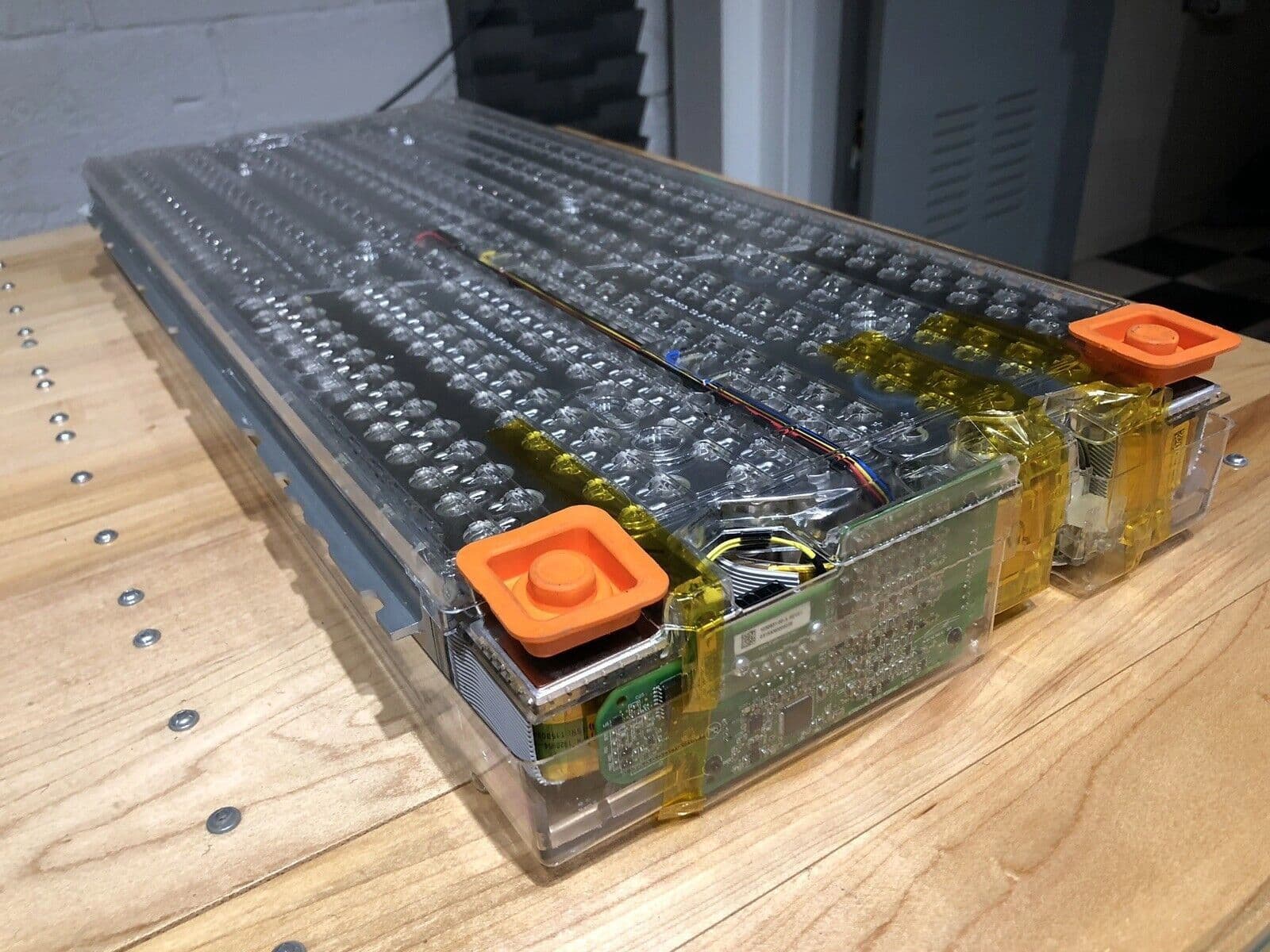
The Current State of Battery Technologies
Batteries are essential components of many modern devices, from smartphones and laptops to electric vehicles and renewable energy storage systems. As battery technology continues to improve, batteries are becoming more powerful, durable, and affordable.
Battery Components
All batteries share some common components:
- Electrodes: The electrodes are the positive and negative terminals of the battery. They are made of materials that can easily gain or lose electrons.
- Electrolyte: The electrolyte is a substance that allows ions to move between the electrodes. It is typically a liquid or a gel.
- Separator: The separator keeps the electrodes apart and prevents them from touching, which would cause a short circuit.
Battery Chemistries
There are many different battery chemistries, each with its own advantages and disadvantages. The five most prevalent battery chemistries are:
- Lithium-ion (Li-ion): Li-ion batteries are the most common type of rechargeable battery used today. They offer high energy density, low self-discharge, and a long lifespan. However, they can be expensive and are prone to fires if not manufactured or used properly.
- Lead-acid: Lead-acid batteries are the oldest type of rechargeable battery and are still widely used in cars, trucks, and other vehicles. They are relatively inexpensive and have a high energy density, but they are also heavy and bulky, and they have a shorter lifespan than Li-ion batteries.
- Nickel-cadmium (NiCd): NiCd batteries are another type of rechargeable battery that is commonly used in portable electronics. They are durable and can withstand a wide range of temperatures, but they have a lower energy density than Li-ion batteries and are more prone to memory effect.
- Nickel-metal hydride (NiMH): NiMH batteries are similar to NiCd batteries, but they have a higher energy density and are less prone to memory effect. However, they are also more expensive and have a shorter lifespan than Li-ion batteries.
- Lithium iron phosphate (LFP): LFP batteries are a type of Li-ion battery that is less expensive and more stable than traditional Li-ion batteries. They are also less prone to fires. However, they have a lower energy density than traditional Li-ion batteries.
Battery Performance and Features
The following table compares the five most prevalent battery chemistries in terms of their performance and features:

Conclusion
Battery technology is constantly evolving, and new chemistries and materials are being developed all the time. As battery technology continues to improve, batteries will become even more powerful, durable, and affordable. This will enable the development of new and innovative products and services, and it will help to reduce our reliance on fossil fuels.